
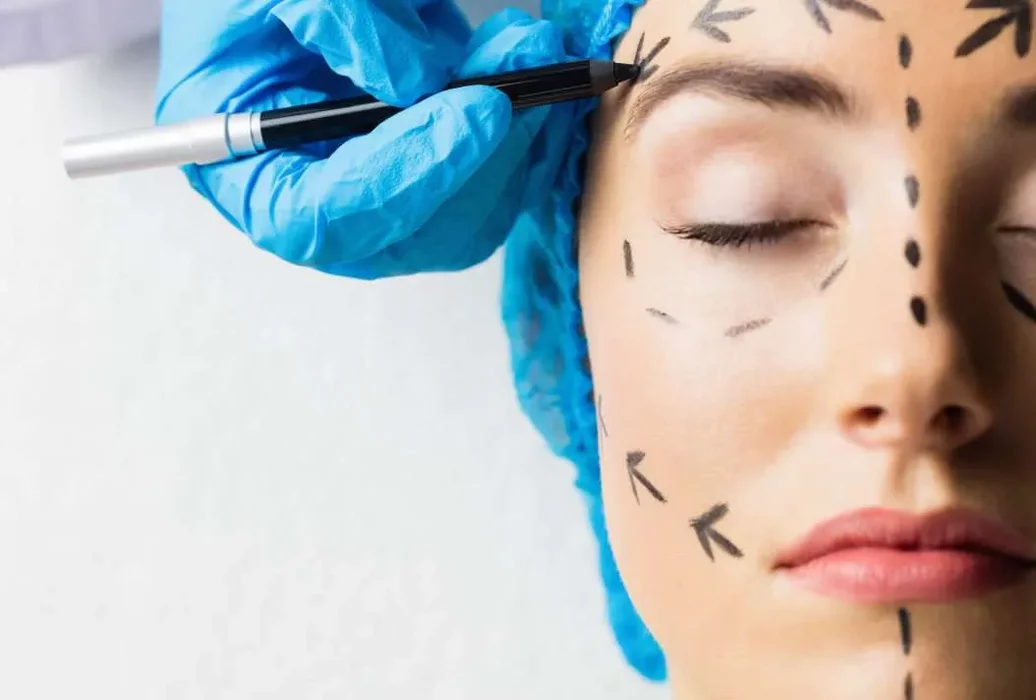
Poor-quality plastic surgery: what to do and how to obtain compensation
Poor-quality plastic surgery is not a life sentence—it’s a situation that calls for quick, well-judged action. In this article, you’ll learn how to document the outcomes, gather records, obtain an independent assessment, and identify grounds for revision or compensation. We also provide clear legal steps and tips to reduce future risks—from choosing a surgeon to rehabilitation.
Why plastic surgery can be substandard
Plastic surgery is a high-risk medical service: the result depends on the doctor’s qualifications, realistic expectations, the patient’s health, and strict adherence to the rehab plan. The problem isn’t only a “mismatch with an aesthetic ideal,” but primarily a medically incorrect or unsafe outcome: asymmetry, scarring, breathing issues after rhinoplasty, tissue necrosis, infectious complications, decreased sensitivity, and more.
The key question is whether the provider complied with standards and whether the patient was properly informed and gave written informed consent to the procedure. In Ukraine, such consent is mandatory (Form No. 003-6/o); without it, the intervention is considered unlawful.

Most common types of plastic surgery (mammoplasty, rhinoplasty, facelift, blepharoplasty)
- Mammoplasty (augmentation/lift/reduction): possible complications—capsular contracture, asymmetry, implant displacement, infection, changes in nipple–areolar sensitivity.
- Rhinoplasty: both an aesthetic and functional procedure; errors can cause impaired nasal breathing, alar collapse, and deformities of the dorsum and tip.
- Facelift: risks—hematomas, injury to branches of the facial nerve, unaesthetic “tight” contours, visible scars in the temple area and behind the ears.
- Blepharoplasty: dry eyes, ectropion/entropion, incomplete eyelid closure, asymmetric folds, a “hollow” or conversely over-filled contour.
Main causes of poor outcomes (inexperience, medical complications, noncompliance with rehab)
- Provider errors: poor technique selection, mistakes in planning incisions, breaches of asepsis or suturing technique, unaccounted anatomical features.
- Medical complications: hematomas, seromas, infection, necrosis, hypertrophic/keloid scars—they must be diagnosed and treated in time, otherwise the consequences become entrenched.
- Unrealistic expectations and communication failures: promises of an “ideal” instead of a dialogue about achievable changes and trade-offs.
- Noncompliance with rehab: smoking, premature workouts, tanning, ignoring compression protocols, skipping follow-ups.
- Organizational factors: no clear correction policy, the clinic’s refusal to take responsibility during aftercare.
What to do after a poor-quality plastic surgery
First steps—contacting the clinic, documenting results, medical records
- Contact the clinic in writing (email/messenger) and demand a plan for correction or treatment of complications. Keep proof of sending and receipt. Avoid oral arrangements—record every step.
- Document systematically: series of photos/videos in identical lighting and angles with dates; keep receipts, contracts, correspondence, and printouts from the medical chart.
- Obtain the full set of medical records: preoperative tests, anesthesia chart, operative report, treatment orders, informed consent, and follow-up notes. If needed, submit a written request for copies.
- Seek a “second opinion” from an independent specialist surgeon. This helps distinguish expected postoperative changes from complications that require urgent correction.
- If the consequences are significant—initiate a forensic (medico-legal) examination. The expert determines causal links, the degree of bodily harm, and whether the result met standards and the contract.
Assessing harm—material, moral, treatment/rehab costs
Material damage includes: the cost of surgery, consultations and tests; medications and dressings; payment for revisions/corrections; physiotherapy and rehab; transportation costs; lost income during incapacity; purchase of compression garments/care accessories.
Moral damage covers physical pain, emotional distress, shame or humiliation due to appearance, social isolation, anxiety, and sleep disturbances. To substantiate, collect psychological reports, a health diary, and statements from those around you.
In a claim/lawsuit, it’s important to show not only the list of expenses but also causation: how exactly the clinic’s actions or omissions led to losses. Attach invoices, receipts, statements, photo/video evidence, and the expert or second-opinion report.
Legal avenues for compensation and redress
Material compensation—what it includes
- Refund of the cost of the substandard service (in full or in part—depending on the defect and circumstances).
- Payment for treating complications, corrections, and rehabilitation, including future costs supported by medical opinions.
- Compensation for lost profit/income if you temporarily or permanently lost work capacity due to the surgery’s consequences.
- Reimbursement of related expenses: expert examination, consultations, legal assistance, transport, purchase of special items.
Support your position with documents and logic: defect description → medical consequence → forced costs/losses → claimed amount. The sum can consist of several blocks and be adjusted after expert assessment.
Moral (non-pecuniary) damage—when it’s available
Moral damage can be claimed together with material demands or separately if suffering, humiliation, long-term discomfort, or fear of recurrence are proven. The amount depends on: duration of consequences, visibility of defects, patient’s age, professional limitations, and the need for long-term psychotherapy.
Courts find persuasive: psychological/psychiatric opinions, records of medical visits, a pain diary, and time-series photo documentation.
Legal procedure—pre-trial claim, lawsuit
- Pre-trial claim to the clinic: concise, on point, with demands and a response deadline. Attach copies of evidence (photos, receipts, reports).
- Complaints to supervisory bodies by the subject of violation: consumer protection, complaints regarding organization of medical care.
- Lawsuit: claims for compensation of material and moral damage, coverage of treatment and future corrections, as well as legal costs.
- Time limits: send the claim as soon as a defect is identified. The general limitation period is 3 years; for health-damage claims, special rules may apply and differ from the general ones.
Important: informed consent must be substantive. If it lacks a list of risks, alternatives, and prognosis, or was signed in a condition that calls the voluntariness into question, this may support your case.
How to avoid a poor outcome—patient recommendations
How to choose a clinic and surgeon
- Verify specialization in your exact procedure, complication rates, and frequency of revisions for this surgeon.
- Ask for genuine “before/after” photos of similar cases, with dates and multiple angles; scrutinize the quality of documentation.
- Make sure the facility is licensed, with anesthesia support and the option of 24/7 inpatient observation during the first day.
- Check the clinic’s correction policy and civil liability insurance for the clinic/doctor.
- Assess communication: is there a written plan, prognosis, a clear follow-up schedule, and a “hotline” for complications?
What to look for before surgery (diagnostics, arrangements, contract)
- Comprehensive preoperative screening: basic labs, ECG/X-ray/CT (as needed), consultations with related specialists (ENT, ophthalmologist, etc.).
- Contract and estimate: scope of surgery, stages, included/excluded services, policy on corrections and complications, refund terms.
- Informed consent: clear list of risks, alternatives and potential complications, rehab conditions, restrictions, and recovery timelines.
- Pre-op photo/video capture: helps align expectations and serves as evidence in a dispute.
Rehab recommendations and following instructions
- Follow all prescriptions: compression regimen, antibiotics/analgesics as directed, activity limits, sleeping with head elevated (as indicated).
- Avoid smoking and alcohol during healing—this reduces infection and necrosis risks and speeds recovery.
- Track progress: daily photos for the first two weeks, then weekly—this helps the doctor and builds an evidence base.
- Don’t skip follow-ups and don’t hesitate to ask about worrying symptoms.

FAQ
Which actions amount to a poor-quality plastic surgery?
Providing a service that deviates from medical standards or the contract; a formal or missing informed consent; failure to detect/treat complications in time; an outcome that caused functional impairments, infections, or lasting cosmetic defects.
Can I obtain compensation for a failed plastic surgery?
Yes. You can claim reimbursement of material losses (surgery, treatment, corrections, rehab, lost income) and moral damage (pain, suffering, humiliation). The amount depends on the severity of consequences, treatment duration, defect visibility, and the strength of your evidence.
What’s the difference between material and moral damage in plastic surgery cases?
Material damage is actual expenses and lost income; moral damage is physical and emotional distress, humiliation, anxiety. You can claim both, substantiating each block with its own evidence.
How much time do I have to contact the clinic or go to court?
File a pre-trial claim immediately. The general limitation period is 3 years; for health-damage claims, special rules apply. Don’t delay: fresh evidence and witnesses are easier to prove.
How do I choose a plastic surgeon to minimize risk?
Verify the facility’s license, the surgeon’s specialization and portfolio, anesthesia support and postoperative monitoring conditions, the content of informed consent, and the presence of a correction policy and liability insurance.
How we can help
Pravovyi Lider represents patients in disputes with clinics and private surgeons. We:
- Conduct a detailed audit: contract, informed consent, medical records, correspondence, and “before/after” photos/videos.
- Build an evidence strategy and calculate claims (material losses + moral damage), and initiate a medico-legal examination if needed.
- Prepare a pre-trial claim and lead negotiations (settlement, compensation, clinic-funded correction).
- File a lawsuit and represent you in court, and support enforcement of awarded sums.
- Submit complaints to supervisory bodies by the nature of the violation and monitor their review.
If your surgery is recent and your condition is worsening—this is primarily a medical issue: seek a doctor/emergency care immediately. In parallel, we’ll handle the legal side: preserving evidence, claims, negotiations, and litigation.

Leave a request for consultation and our specialist will contact you soon!
Leave a request and our specialist will contact you soon!
More useful information


Fill out the form or contact us in any way convenient for you
Choose the nearest office to you and receive consultations in a convenient format for you