
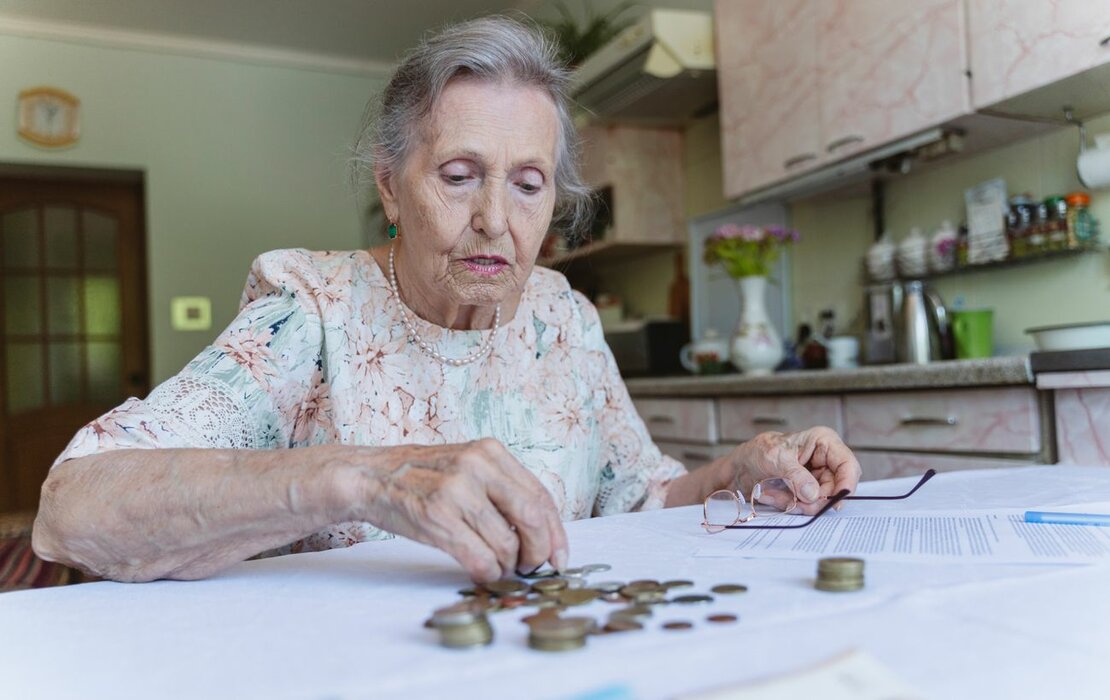
Social pension: who is eligible and how to apply in Ukraine
In Ukraine, people often say “social pension,” meaning a state social assistance benefit for those who are not entitled to an old-age pension due to an insufficient insurance record (contributory service), as well as for certain categories of persons with disabilities and children in specific cases.
It’s important to understand the difference: this is not a “regular” old-age pension under the solidarity system (which depends on paid social contributions and length of service), but a social benefit granted under different rules and which may depend on income and life circumstances.
In practice, most mistakes occur at two points: people confuse social assistance with an old-age pension and apply under the wrong procedure, or they submit an incomplete document package (especially regarding income and household composition), which delays the case or leads to refusal.
Below is a step-by-step guide on how to correctly determine eligibility, prepare documents, and apply for the benefit.
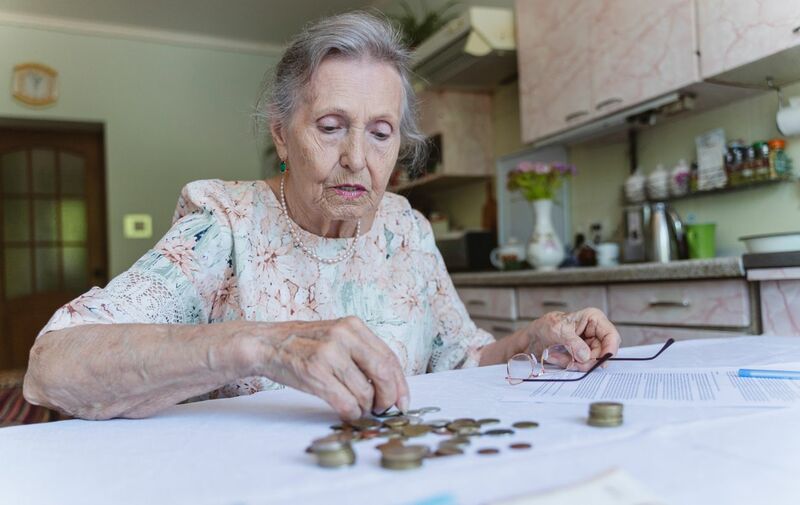
What a “social pension” is
Definition of a social pension in Ukraine
In everyday language, “social pension” usually refers to state social assistance for people who have not acquired the right to an old-age pension or cannot obtain a certain type of pension benefit due to unmet conditions (most often due to insufficient contributory service).
This assistance is part of the social protection system: the state provides minimum support so a person is not left without any income in old age or in other vulnerable situations.
How it differs from a regular old-age pension
An old-age pension is granted if the required insurance record is met. The insurance record is confirmed by personalized accounting data (paid social contributions) and documents recognized by law.
Social assistance is a different mechanism. It applies when there is no right to a pension or when a person falls under special social grounds; for many applicants, the income level becomes an additional criterion.
Brief look at legislation and purpose (social protection)
The purpose of social assistance is to ensure a social minimum and prevent a situation where a person, due to lack of service record or formal obstacles, remains without support.
The rules define eligible categories, the application procedure, the list of documents, review timelines, and grounds for refusal. Therefore, it’s crucial to determine the correct basis, substantiate circumstances, and submit a complete package to avoid formal delays.
Who is eligible for a social pension
People aged 65+ without sufficient insurance record
The most common case is a person who has reached 65 but does not have enough insurance record to qualify for an old-age pension.
Reasons vary: informal employment, long breaks, work abroad not credited in Ukraine, liquidation of the employer and loss of documents, errors in accounting, or the employer’s failure to pay contributions.
A key nuance: if some record “exists somewhere” but is not confirmed or not reflected in registries, it’s often better first to clarify and restore the record. A full old-age pension is frequently financially better than social assistance.
If you worked in hazardous/heavy conditions, first check whether you qualify for a privileged (early) pension — this is a different route than social assistance.
Persons with disabilities (under certain conditions)
Separate rules apply to persons with disabilities if the criteria for granting social assistance are met.
It is critical that disability is established under the prescribed procedure and supported by appropriate documents. Additionally, authorities may verify whether the person receives other pensions or payments that exclude this assistance and, depending on the category, assess income.
Children of a deceased breadwinner without sufficient record
Social support may be granted to children of a deceased breadwinner when a standard survivor’s pension is impossible because the breadwinner did not have the required insurance record at the time of death.
In such cases, proper preparation of documents regarding the child, proof of death, and information on the breadwinner’s record are essential.
Other categories (low-income, if provided)
Most often, “social pension” refers to this assistance: people aged 65+ without entitlement to an old-age pension, persons with disabilities (subject to conditions), or children of a deceased breadwinner when a standard pension is not granted due to record criteria. Other social benefits (for low-income families, etc.) are separate programs with different rules.
Conditions for granting a social pension
Age criteria (65 years, etc.)
For the “no right to an old-age pension” scenario, the basic criterion is reaching 65 and lacking entitlement to a pension. For disability or child-of-breadwinner cases, the decisive factor is status and the documents proving it.
Insurance record and its requirements
Social assistance is granted when there is no right to a pension. But in practice, a situation often arises where “the record exists but isn’t visible.”
Typical reasons: the employer did not pay contributions; data were submitted with errors; periods before digital accounting are not confirmed; the work book is filled out with violations; the enterprise was liquidated and documents must be retrieved from archives.
Before applying, check your record with the Pension Fund of Ukraine (PFU) and, if there are “gaps,” gather confirmations. This is important so you don’t lose the chance to obtain a pension if the record can be proven.
Minimum income requirements/absence of other pensions
For many categories, income rules apply: the authority evaluates total income over a defined period and compares it to social standards.
A separate important condition is the absence of another pension or payments that exclude this assistance. If a person is already receiving a pension, they usually cannot obtain a “social pension” as an alternative.
A practical nuance: in some cases, not only the applicant’s personal income matters but also household income (who the person lives with and what regular incomes the household has). Incomplete or contradictory data often result in requests for clarification and delays.
How to apply for a social pension
Where to submit (Pension Fund, CNAP)
Applications are submitted to the Pension Fund of Ukraine (service center or territorial office) or via a CNAP (Administrative Services Center) if your community accepts such applications. In some communities, authorized local government bodies accept documents. Submission by post or online may also be available if you have a qualified e-signature (QES).
Step-by-step submission guide
- Verify that you truly have no right to a pension and choose the correct basis: 65+ without pension entitlement, disability, or child of deceased breadwinner.
- Prepare basic documents (passport or ID, tax number) and documents confirming your basis for application, as well as income information if required.
- Submit the application to the PFU or via a CNAP and make sure your request is registered and the package is accepted.
- If additional documents are requested, provide them as soon as possible to avoid the application being put on hold.
- After the decision, agree on the payment method (most often to a bank account) and check the start date of payments.
Review timelines and when to expect a decision
Timelines depend on whether all required documents have been submitted. If the package is complete, the decision is made within the prescribed procedural timeframe. If something is missing, the authority may request clarifications or additional data — this can put the application on hold until they are provided.
It’s practically important to clarify from which date the benefit will be granted. Usually, it is tied to the date of application or the month of submission, so delays in providing documents can mean a longer period without payments. If circumstances change after applying (income, household composition, status), update them in time to avoid overpayment issues.

Required documents
Passport and tax number
As a rule, you need an identity document (passport or ID) and a tax number. If there were changes to surname or name, discrepancies in spelling, or other inaccuracies, prepare documents to confirm them; otherwise, the case may be put on hold until clarification.
Certificates of household composition and place of residence
In some cases, confirmation of place of residence and household composition may be required, especially when income is assessed considering the household. Some data may be pulled from registries, but if registries don’t provide information or contain errors, additional confirmations will be needed.
Documents proving absence of other pensions/income
If your category requires income verification, be ready to submit a declaration and supporting documents for the relevant period. This is often where delays occur: the period is confused, only part of the information is submitted, or specific inflows cannot be documented.
PFU extract on record/refusal (if needed)
If the application is due to insufficient service record, it is useful to have PFU confirmation of your existing record or information on why pension entitlement does not arise. This helps pass checks faster and avoid being shuffled between procedures.
Amount of the social pension
How the amount is calculated
The amount of social assistance is usually tied to the subsistence minimum for persons who have lost working capacity and is determined depending on the recipient category. In some cases, income affects the amount: changes in income can affect both entitlement and the specific sum.
Maximum and minimum limits
There is no fixed “permanent” amount: limits change along with social standards and budget indicators. Therefore, it’s more accurate to focus on the calculation principle and current indicators at the time of application.
What can influence the amount
If assistance is granted considering income, employment, new regular inflows, or changes in household composition may trigger a review. In disability cases, re-examination or a change of disability group may have an impact.
Tips and common mistakes
Typical submission errors
The most frequent error is choosing the wrong basis: a person applies for social assistance while they could obtain a pension (if they confirm the record), or vice versa. The second common error is incomplete or contradictory income/household data. The third is discrepancies in documents (name spelling, dates, addresses) that cause the authority to put the case on hold until clarified.
How to speed up the review
Submit the most complete package at once and, if the authority requests clarifications, provide them without delay. Prior record verification and “clean” documents without different surname spellings, conflicting certificates, or unexplained inconsistencies also help.
When to seek consultation
Consultation is advisable if you have disputed record (archives, liquidated employers, lost documents), if it’s unclear how household income will be calculated, or if you already received a refusal. In such cases, the right strategy is crucial: what exactly to submit, how to formulate the basis, and which steps to take to avoid wasting time.
If there is disputed record, archives, or a refusal — consider engaging a pension lawyer; they will help gather evidence faster and navigate the procedure correctly.

FAQ
Who is eligible for a social pension in Ukraine?
Typically, people aged 65+ without entitlement to a pension due to insufficient insurance record, as well as certain categories of persons with disabilities and children of a deceased breadwinner in specific cases where a “regular” pension is not granted due to record criteria.
At what age can I apply for a social pension?
For the basic “no right to an old-age pension” case — generally after 65. For other grounds (disability, child of breadwinner), the decisive factor is status and meeting the conditions, not age.
Which documents are needed to apply for a social pension?
Usually an ID (passport or ID card), tax number, documents confirming the basis (disability or child status), and income documents or a declaration if income verification applies to your category.
How is the amount determined?
The calculation is tied to the subsistence minimum and the recipient category. In some cases, income is considered, which may affect both eligibility and the amount.
Where to apply?
To the Pension Fund of Ukraine (service center or territorial office) or via a CNAP if your community accepts such applications. In some cases, submission by post or online is possible if you have a QES and the service is available.
Conclusion
In everyday terms, a “social pension” is state social assistance granted to those who cannot obtain an old-age pension due to insufficient insurance record, as well as certain categories of persons with disabilities and children of a deceased breadwinner in specified cases.
To complete the process quickly, it’s important to choose the correct basis, verify record data, collect a full set of documents (especially on income and household composition), and submit the application to the PFU or via a CNAP. If there are document inconsistencies or doubts about the record, resolve them before submission — then you will either receive social assistance faster or be able to obtain a full pension.
If there are discrepancies with record/income or you have already received a refusal — seek a consultation from “Pravovyi Lider” to avoid losing time on repeated submissions.

Leave a request for consultation and our specialist will contact you soon!
Leave a request and our specialist will contact you soon!
More useful information




Fill out the form or contact us in any way convenient for you
Choose the nearest office to you and receive consultations in a convenient format for you