
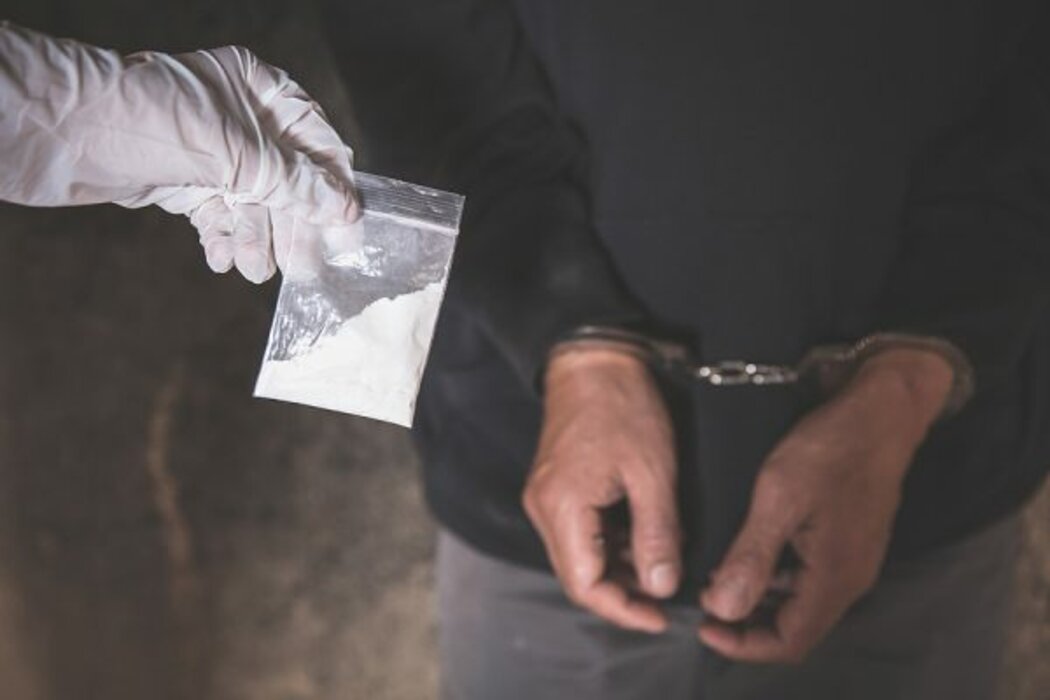
Article 309 of the Criminal Code of Ukraine — defense in cases involving drug possession
Cases under Article 309 of the Criminal Code of Ukraine are among the most common in the “narcotics” segment of criminal justice. They concern the unlawful manufacture, production, acquisition, possession, transportation, or shipment of narcotic drugs or psychotropic substances without intent to sell. Distinguishing Article 309 from “sale-related” provisions (primarily Article 307 of the CC) determines the legal qualification, the severity of punishment, and the defense strategy: proving (or refuting) intent to sell is often the decisive issue.
Every year, thousands of proceedings in Ukraine are opened specifically under Article 309—often due to everyday situations, lack of awareness, or procedural mistakes. Understanding the elements of the offense and the real consequences helps avoid irreversible decisions at the earliest stages of a case.
What Article 309 of the Criminal Code Provides
Basic offense (possession without intent to sell)
The objective element covers unlawful actions involving narcotic drugs, psychotropic substances, or their analogues: manufacture, production, acquisition, possession, transportation, or shipment. For liability under Part 1, the defining factor is the absence of intent to sell: if there is evidence of intent to sell, the qualification shifts to Article 307 of the CC. The fact of unlawful possession or movement is typically confirmed by an expert report, protocols of procedural actions, and other admissible evidence.
Subjective element — intent (without intent to sell)
The subjective element is direct intent: the person understands that they possess or move a prohibited substance without lawful authorization. The key marker is precisely the lack of intent to sell, which is established based on the totality of circumstances. Indicators such as distribution packaging, messages about sales, “client” lists, or a significant number of identical packages may suggest a different (sale-related) offense; conversely, the absence of such indicators supports qualification under Article 309.
Aggravating features (large quantity, repeat offense, group)
Enhanced liability may apply for repeat offending, prior collusion by a group, as well as a large or especially large quantity of the substance. The thresholds for “large” and “especially large” are defined in Ministry of Health tables: expert examination determines the type of substance and its mass, which directly affects the applicable part of the article and potential sanctions.
Sanctions and Punishment under Article 309
Part 1: fine, restriction of liberty, corrective/community service, probation supervision
Under Part 1, the court may impose a fine (within the statutory limits) or apply other, less severe penalties tailored to the circumstances—corrective labor or community service, probation supervision (probatsiinyi nahliad), as well as restriction of liberty. Part 1 is generally treated as a criminal misdemeanor, so proceedings under it may follow the inquiry (diznannia) model and a simplified pre-trial procedure (depending on the specific legal qualification and circumstances). See also the overview on pre-trial investigation.
Qualified parts: more severe punishment
If the case involves repeat offending, a group, or a large/especially large quantity, it is treated as a crime rather than a misdemeanor. In such circumstances, sanctions are significantly stricter and may include substantial fines or actual imprisonment, depending on the statutory wording and the facts of the case.
Exemption from liability (voluntary treatment, cooperation)
The law provides a mechanism for exemption from criminal liability for Part 1 where a person voluntarily seeks medical assistance and begins treatment for drug dependence (this rule is commonly applied under the relevant special provision associated with Article 309). The court assesses the credibility and sufficiency of treatment documentation together with the rest of the case file. Cooperation with the investigation, sincere remorse, and positive character references may also influence sentencing, including the possibility of probation-based outcomes where legally available.
Table: article part → sanctions → aggravating features
Review the table below—it systematizes the main parts of Article 309, typical sanctions, and the aggravating features that most often become points of dispute.
| Part of Art. 309 | Sanctions (general) | Key features |
| Part 1 | Fine; corrective labor or community service; probation supervision; restriction of liberty. | Without intent to sell; no qualifying features. |
| Part 2 | More severe penalties (including, in some cases, imprisonment) within the statutory limits. | Repeat offense; prior collusion by a group; large quantity. |
| Part 3 | Imprisonment for longer terms within the statutory limits (serious offense). | Especially large quantity; other qualifying circumstances provided by law. |
| Special provision | Exemption from liability for Part 1 subject to voluntary treatment. | Voluntary referral to a medical facility and documented initiation of treatment for drug dependence. |
Specifics of Criminal Proceedings under Article 309
Inquiry, jurisdiction, time limits
For Part 1, pre-trial proceedings are often conducted in the form of an inquiry by authorized units; for qualified parts—by an investigator. Time limits after notice of suspicion are regulated by the CPC, and extensions may be possible within the statutory framework. Compliance with procedural deadlines matters for the admissibility of evidence and for assessing the legality of prosecutorial and investigative actions.
Expert examination and the evidentiary base
Expert examination determines the type and mass of the substance and is often the central item of evidence for proper qualification. The evidentiary base is typically supplemented by inspection and search protocols, video recording, witness testimony, results of covert investigative (search) actions (where applicable), and other materials obtained in compliance with the CPC.
The defense attorney may take part in relevant procedural actions (including sample collection where permitted) and may submit questions or motions regarding the examination, which can later affect the court’s assessment of reliability and admissibility.
Procedural risks / violations (inadmissible evidence)
Violations during searches, acting beyond the scope of a court warrant, or the absence of proper video recording can lead to evidence being deemed inadmissible. The causal link between a violation and the evidence obtained is critical: if the source evidence is unlawful, derivative materials may also be excluded.

Defense Attorney Services in Article 309 Cases
Initial consultation and case analysis
We understand how stressful it is when a case involves narcotics. Our team works quickly, confidentially, and without prejudice so that the client feels protected and supported from the very first hours.
We promptly review protocols, the search warrant, the inventory of seized items, the expert report, and compliance with procedural deadlines to identify weaknesses in the prosecution’s case and realistic defense scenarios. After the initial audit, we provide a clear action plan with priorities for the coming days—so violations are recorded immediately and time is not lost.
Developing a defense strategy
The strategy is built around the specific facts: refuting allegations of intent to sell, verifying the mass and composition under Ministry of Health tables, clarifying the origin of the substance and the context of possession. Where appropriate, we prepare a pathway to applying the exemption mechanism based on voluntary treatment, with a checklist of required documents and timelines. We also build a mitigation package—character references, proof of employment, treatment records, and other supporting materials.
Preparing motions, applications, objections
We draft procedural documents to have evidence obtained in violation of the CPC declared inadmissible, initiate additional or repeat expert examinations, and request video recordings and proper handling of samples. Where necessary, we file objections to prosecution motions concerning asset seizure, extensions of time limits, and other restrictions of rights.
Defense at the pre-trial stage
We attend searches, interviews, and other procedural actions; monitor the accuracy of protocols and ensure timely remarks are recorded. We negotiate plea agreements within realistic sanction ranges and, if a medical pathway is chosen, help organize and document treatment initiation to support the exemption mechanism.
Court representation (trial, appeal, cassation)
In court, we build an evidentiary position focusing on the causal link between procedural violations and inadmissibility, rebut alleged “sale” indicators, and seek examination of experts and search witnesses where it strengthens the defense. We also argue sentencing separately, seeking probation-based outcomes, a fine, or supervision instead of custody where possible under the law.
Appealing decisions / case review
We appeal judgments on procedural and substantive grounds in appellate and cassation courts, focusing on material CPC violations and misapplication of substantive law. We work with newly discovered circumstances and additional expert findings, and after proceedings conclude, we address follow-on issues—lifting seizures, returning property, and matters related to expungement where applicable.
Examples of Cases and Case Law
Typical rulings under Article 309
Courts may find evidence inadmissible when obtained in violation of search procedures, without proper video recording, or beyond the scope of a warrant, which can result in exclusion of seized items and related materials. Requalification from “sale-related” provisions to Article 309 is common where persuasive indicators of selling are absent. Downgrading from a qualified part to Part 1 may occur if a repeat examination confirms that the mass falls below the “large quantity” threshold.
When cases were dismissed or punishment reduced
Proceedings may be closed where an “urgent” search lacked proper judicial oversight or where procedural violations made key evidence unusable. Punishments are often mitigated through plea agreements, active cooperation, positive character references, and documented treatment initiation, which can support exemption from liability in eligible cases.
Advice and Protection of the Suspect’s Rights
What to do upon detention
First, clarify the grounds and your procedural status, record the time of actual detention, and immediately state that you want an attorney. Exercise your right to remain silent, carefully read protocols, insist that remarks are included, and obtain copies. Do not sign documents you do not understand and, where lawful, record police actions on video.
Remember: refusing to give explanations is not a sign of guilt—it is a constitutional right designed to protect you from pressure and misrecorded statements.
How to behave during procedural actions
During a search, request presentation of a court warrant (or, in “urgent” cases, proper documentation with subsequent judicial control), insist on continuous video recording, and ensure the presence of required witnesses. Verify that the scope of seizure matches the warrant and that you receive all appendices to the protocol. Regarding expert examinations, submit motions to preserve samples and ensure methodological transparency so that a repeat study is possible. Provide explanations only with counsel present and avoid speculation.
When and why to contact an attorney
Contact an attorney immediately after first contact with law enforcement, because early procedural errors often determine the outcome. A criminal defense lawyer checks evidence admissibility, proposes tactical options (from requalification or closure to a plea), builds mitigation materials, and, where grounds exist, supports the treatment-based exemption pathway.

FAQ
Can I be exempted from liability under Article 309 Part 1?
In eligible cases, the law provides for exemption from liability if a person voluntarily seeks medical help and begins documented treatment for drug dependence. The court evaluates the treatment documentation together with other case materials and the person’s conduct.
Can the fine be reduced or a suspended sentence imposed?
The court considers sincere remorse, cooperation with the investigation, positive character references, and other mitigating factors. For Part 1, a fine, probation supervision, or restriction of liberty may be possible; for qualified parts—stricter sanctions apply, and probation-based outcomes depend on the legal framework and the facts.
What if protocols were drawn up with violations?
Record objections, insist on proper video recording and verification of authority and deadlines, and submit motions to have unlawfully obtained evidence declared inadmissible. In practice, serious procedural violations can lead to exclusion of materials.
Can an expert report confirming narcotics be challenged?
Yes. The defense may request an additional or repeat examination, clarify the type and mass of the substance, and challenge methodology and sample preservation. Such steps can affect qualification and sanctions.
What if I was detained without an attorney present?
Immediately request counsel, exercise your right to remain silent, and insist that all actions are properly documented. Procedural violations may affect admissibility of evidence and the overall assessment of the case.
Legal Assistance
In Article 309 cases, timing matters: the earliest hours are when violations are documented and the evidentiary narrative is formed. Fill out a short form for a free consultation—provide your name, phone number, and describe your situation in two or three sentences. We will conduct a confidential screening, outline immediate first steps, and agree on a convenient time for a call or meeting.
We do not judge and do not accuse—our goal is to protect your rights and minimize consequences. Reaching out early can be the decisive step toward protecting your freedom.

Leave a request for consultation and our specialist will contact you soon!
Leave a request and our specialist will contact you soon!
More useful information



Fill out the form or contact us in any way convenient for you
Choose the nearest office to you and receive consultations in a convenient format for you