

Article 130 of the Code of Administrative Offenses: liability for driving while intoxicated, fines, and defense
Driving a vehicle while under the influence of alcohol, drugs or other intoxication, or under the influence of medicinal products that reduce attention and reaction speed, is one of the most dangerous and most “expensive” administrative offenses in Ukraine. As of 2025, Article 130 of the Code of Ukraine on Administrative Offenses (CUAO) provides not only monetary penalties but also long periods of license revocation, paid seizure or confiscation of a vehicle (in repeat cases), administrative arrest, and separate sanctions for vessel operators. Below, we explain the structure of the article, how police recording and examination should be conducted, typical procedural issues, and practical defense steps for drivers.
What Article 130 CUAO is and what to expect
Article 130 regulates liability for: (1) driving vehicles while intoxicated or under the influence of medicines that reduce attention and reaction speed; (2) transferring control to a person in such a condition; and (3) refusing to undergo an examination in the established procedure. In practice, the key risks are significant financial losses (from UAH 17,000 to 51,000), multi-year loss of the right to drive, and, for repeat cases, seizure/confiscation of the vehicle (if privately owned) or administrative arrest. At the same time, timely defense tactics and proper challenge of procedural violations can reduce sanctions or lead to case closure.
The text of the article and its structure
Below is the wording of Article 130 CUAO (for the official Ukrainian version, use the link):
Driving vehicles by persons in a state of alcoholic, narcotic or other intoxication or under the influence of medicinal products that reduce their attention and reaction speed, as well as transferring control of a vehicle to a person who is in such a state of intoxication or under the influence of such medicinal products, as well as the refusal of a person driving a vehicle to undergo, in accordance with the established procedure, an examination for the state of alcoholic, narcotic or other intoxication or regarding the use of medicinal products that reduce attention and reaction speed, —
— entails the imposition of a fine on drivers in the amount of one thousand non-taxable minimum incomes of citizens with revocation of the right to drive vehicles for a period of one year, and on other persons — a fine in the amount of one thousand non-taxable minimum incomes of citizens.
Repeated commission during the year of any of the offenses provided for in part one of this article,
— entails the imposition of a fine on drivers in the amount of two thousand non-taxable minimum incomes of citizens with revocation of the right to drive vehicles for a period of three years and with paid seizure of the vehicle or without it, or administrative arrest for ten days with revocation of the right to drive vehicles for a period of three years and with paid seizure of the vehicle or without it; and on other persons — a fine in the amount of two thousand non-taxable minimum incomes of citizens with paid seizure of the vehicle or without it, or administrative arrest for ten days with paid seizure of the vehicle or without it.
Acts provided for in part one of this article, committed by a person who twice during the year was subjected to an administrative sanction for driving vehicles while in a state of alcoholic, narcotic or other intoxication or under the influence of medicinal products that reduce his/her attention and reaction speed, or for refusal to undergo, in accordance with the established procedure, an examination for the state of alcoholic, narcotic or other intoxication or regarding the use of medicinal products that reduce attention and reaction speed, entail the imposition of a fine on drivers in the amount of three thousand non-taxable minimum incomes of citizens with revocation of the right to drive vehicles for a period of ten years and with confiscation of the vehicle that is in the private ownership of the offender, or administrative arrest for fifteen days with revocation of the right to drive vehicles for a period of ten years and with confiscation of the vehicle that is in the private ownership of the offender; and on other persons — a fine in the amount of three thousand non-taxable minimum incomes of citizens with confiscation of the vehicle that is in the private ownership of the offender, or administrative arrest for fifteen days with confiscation of the vehicle that is in the private ownership of the offender.
The consumption by a person who drove a vehicle, after a road traffic accident involving him/her, of alcohol, narcotic drugs, psychotropic substances, their analogues, as well as medicinal products made on their basis (except for those included in the officially approved first aid kit or prescribed by a medical worker), or after the vehicle was stopped at the request of a police officer, before an authorized person conducts a medical examination to determine the state of alcoholic, narcotic or other intoxication or regarding the use of medicinal products that reduce his/her attention and reaction speed, or before a decision is made to exempt from conducting such an examination, entails the imposition of a fine on drivers in the amount of two thousand non-taxable minimum incomes of citizens or administrative arrest for fifteen days, with revocation of the right to drive vehicles for a period of three years, and on other persons — a fine in the amount of two thousand non-taxable minimum incomes of citizens or administrative arrest for fifteen days.
Operating river, sea, small, sports vessels or personal watercraft by persons in a state of alcoholic, narcotic or other intoxication or under the influence of medicinal products that reduce their attention and reaction speed, as well as transferring control of a vessel to a person who is in such a state of intoxication or under the influence of such medicinal products, and also refusal by persons operating river, sea, small, sports vessels or personal watercraft to undergo, in accordance with the established procedure, an examination for the state of alcoholic, narcotic or other intoxication or regarding the use of medicinal products that reduce attention and reaction speed, entails the imposition of a fine in the amount of one thousand non-taxable minimum incomes of citizens or community service for a period of forty to sixty hours, or administrative arrest for ten days, with revocation of the right to operate all types of floating craft for a period of one to three years.
Acts provided for in part five of this article, committed by persons who do not have the right to operate river, sea, small, sports vessels or personal watercraft, —
— entail the imposition of a fine in the amount of one thousand five hundred non-taxable minimum incomes of citizens or administrative arrest for a period of ten to fifteen days.
The consumption by a person who operated a river, sea, small, sports vessel or personal watercraft, after an incident involving him/her, of alcohol, narcotic drugs, psychotropic substances, their analogues, as well as medicinal products made on their basis (except for those included in the officially approved first aid kit or prescribed by a medical worker), or after the vessel was stopped at the request of a police officer or other official authorized by law, before an authorized person conducts a medical examination to determine the state of alcoholic, narcotic or other intoxication or regarding the use of medicinal products that reduce attention and reaction speed, or before a decision is made to exempt from such an examination — entails the imposition of a fine on persons who have the right to operate river, sea, small, sports vessels or personal watercraft in the amount of one thousand two hundred non-taxable minimum incomes of citizens with revocation of the right to operate all types of floating craft for a period of three years, and on other persons — a fine in the amount of one thousand two hundred non-taxable minimum incomes of citizens.
Parts 1–4 in brief:
- Part 1 — the basic scenario (first offense): intoxication established, or refusal recorded in the proper procedure.
- Part 2 — repeat within a year: higher fine + three-year revocation + paid seizure (optional) / arrest (optional).
- Part 3 — third time within a year: ten-year revocation + confiscation (if privately owned) / arrest.
- Part 4 — drinking/using substances after an accident or police stop before the examination (treated as an attempt to conceal).
The remaining subparts regulate vessel cases where, instead of a driver’s license, the right to operate watercraft is revoked.
What “driving” and “refusal” mean
Driving: what matters in practice
“Driving” is evaluated through evidence of actual control over the vehicle. In disputes, the court typically checks whether the person really exercised control (or had immediate real control) and whether the police proved this element properly (video, witnesses, protocol details, sequence of actions).
Refusal: evidentiary nuances
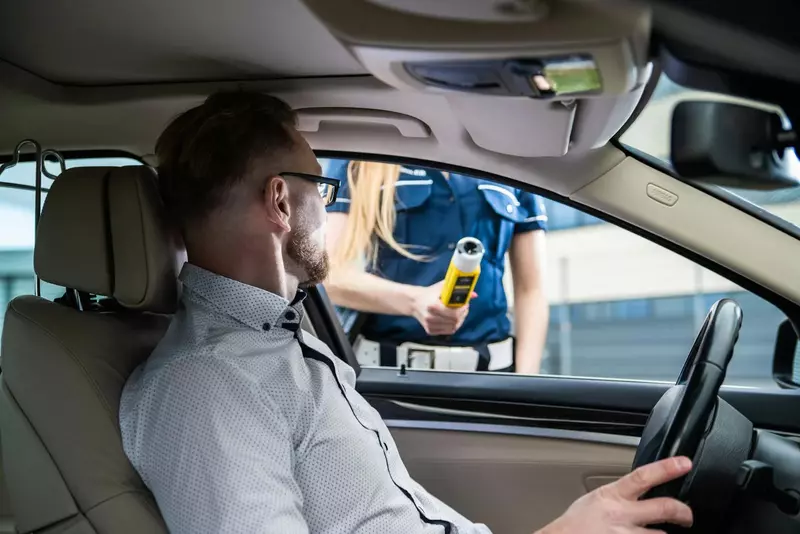
Refusal is any clear unwillingness to undergo the examination in the established manner. Importantly, the on-site examination must be recorded by video, and only if video is impossible it is conducted in the presence of two witnesses (and police officers cannot be witnesses). If the refusal/testing procedure is not properly recorded, the defense can challenge the evidence as inadmissible.
What sanctions are provided
Part 1: fine UAH 17,000 + 1 year without a license
The fine equals 1,000 non-taxable minimum incomes of citizens. For the purposes of applying such “non-taxable minimum,” Ukrainian legislation uses the amount of UAH 17. Therefore, 1,000 × 17 = UAH 17,000, plus revocation of the right to drive for one year.
Part 2: fine UAH 34,000 + 3 years + paid seizure / arrest (optional)
A repeat offense within a year means 2,000 × 17 = UAH 34,000 and a three-year revocation. Additionally, the court may apply paid seizure of the vehicle (or not apply it) or administrative arrest for 10 days (also with/without paid seizure — depending on the case).
Part 3: fine UAH 51,000 + 10 years, confiscation / arrest
A third violation within a year means 3,000 × 17 = UAH 51,000 and a ten-year revocation. The sanction also includes confiscation of the vehicle if it is in the private ownership of the offender (as an alternative to arrest), depending on the court’s decision within the statutory options.
Specifics for vessels and “post-incident” drinking
For vessel operators, sanctions include: 1,000 NMDG (UAH 17,000) or community service (40–60 hours) or administrative arrest (10 days) plus revocation of the right to operate vessels (1–3 years). For persons who do not have the right to operate vessels — 1,500 NMDG (UAH 25,500) or arrest (10–15 days). If alcohol/substances are used after an incident/stop before examination — 1,200 NMDG (UAH 20,400) plus a three-year revocation of the right to operate vessels (for those who have such a right).
How the protocol and examination should be conducted
Typical recording sequence: stop → examination → medical facility (if needed)
- On-site examination is conducted using a special device (breathalyzer) with mandatory video recording; only if video is impossible — in the presence of two witnesses.
- If the driver refuses on-site examination or disagrees with the result, the driver must be sent to a medical facility for examination.
- The police should ensure timely delivery to the medical facility (procedural rules set strict time limits for delivery).
Typical procedural issues that often matter for the defense
- No video / broken video of the key moment of examination or refusal.
- Witnesses used where video was possible, or witnesses are police officers.
- Protocol lacks key details (time/sequence of actions, clear fixation of refusal, rights explanation, etc.).
- Device data is incomplete in materials (model/serial number, proof of valid verification/calibration where required).
- Medical examination is conducted with procedural violations (improper referral, missing documents, timeline issues).
How to appeal
Practical checks (what to look at first)
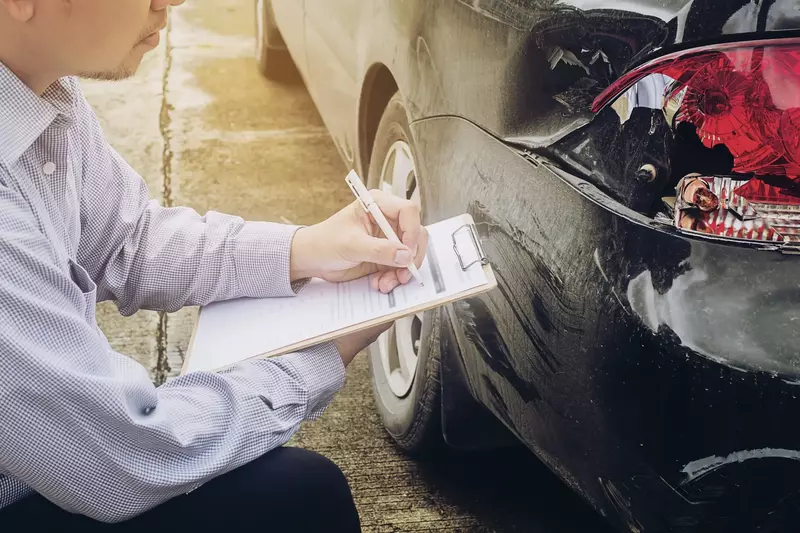
Start with the protocol and the evidence package: whether all mandatory fields are completed; whether the examination/refusal is properly recorded; whether the established procedure was followed (video vs witnesses); whether your rights were explained and your explanations were recorded. Next, analyze the stop and subsequent police actions: whether there was a lawful ground for the stop and whether the sequence of actions is consistent across the protocol, video, and other documents.
Also check whether you were allowed to contact an auto lawyer and whether your motions/objections were recorded. Missing or improperly recorded key procedural elements often becomes the basis for challenging evidence and requesting case closure.
Appeal algorithm — courts, attorney
- Obtain copies of all materials (protocol, referral, examination report, video).
- Prepare written objections and motions (to recognize evidence inadmissible, to summon police officers/witnesses, to request device documents, etc.).
- Attend the hearing (or ensure attorney representation) and insist on reviewing video and examining witnesses.
- If you lose — file an appeal within the statutory time limit.
Frequently Asked Questions (FAQ)
I was in the car (behind the wheel / in the cabin) but not driving. That’s not “driving,” right?
It depends on whether the prosecution proves actual control over the vehicle. Courts assess the whole set of evidence: video, protocol details, and the real circumstances (who controlled the vehicle and how).
I drank after the accident — will I be fined?
Yes. Part 4 covers alcohol/drug use after an accident or stop before the examination. The law treats this as an attempt to conceal intoxication and provides a higher sanction.
Can the police stop you without a reason?
The police must have a lawful ground for the stop. If the stop and subsequent actions are not properly justified and documented, this may be relevant for the defense in challenging the admissibility of evidence.
Legal assistance
The law firm “Pravovyi Lider” handles Article 130 CUAO cases throughout Ukraine. Our attorneys will prepare objections, analyze the legality of police actions and examination procedures, represent your interests in court, and advise on next steps after the case is resolved.

Leave a request for consultation and our specialist will contact you soon!
Leave a request and our specialist will contact you soon!

Fill out the form or contact us in any way convenient for you
Choose the nearest office to you and receive consultations in a convenient format for you