
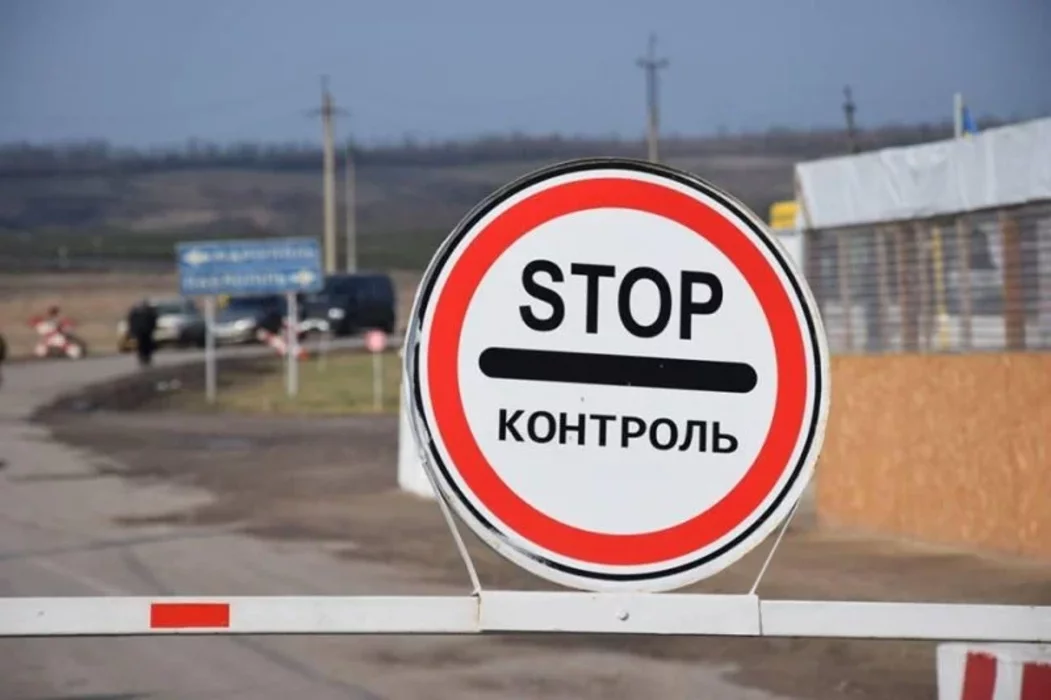
Rules for crossing the state border during martial law: who has the right to leave and what documents are required
Crossing the state border of Ukraine during martial law is one of the most sensitive topics for citizens, especially for men of conscription age. These restrictions are directly related to the norms of military law that determine the mobilization procedure and its exceptions. Every day, thousands of people contact the Border Guard Service, planning to travel for work, study, or family reasons.
However, the rules change, and the procedure remains complex and often unclear for those encountering it for the first time. In this article, we have compiled the current legal norms as of 2025, explained who has the right to leave, which documents are required, and what typical reasons for refusal should be considered in advance.
General rules for crossing the border in 2025
The issue of citizens leaving Ukraine during martial law remains one of the most pressing for society. The basic restrictions and exceptions are defined by legislation and are constantly clarified depending on the military situation and the needs of the state. The fundamental principle is that men aged 18 to 60 are subject to mobilization obligations and therefore cannot leave the country without special grounds. Women and children have much broader opportunities to cross the border, but they are also required to follow the general procedure for document checks.
What is restricted during martial law
The strictest restrictions apply to men of conscription age. The mere fact of being between 18 and 60 automatically means a ban on leaving if there are no supporting documents that allow border crossing. Even where the right to leave exists, border guards carefully check all certificates, verify data against electronic registers, and, in case of the slightest doubts, may refuse passage. This is intended to prevent evasion of mobilization and document forgery.
What changes occurred in 2024–2025
In recent years, the rules have changed repeatedly, and citizens must monitor updates to avoid misunderstandings at the border. In 2024–2025, the government introduced a clearer list of documents for categories of persons who have the right to leave. In particular, the conditions for fathers of many children, male guardians, and persons with disabilities were detailed. Electronic services for pre-submitting documents via “Diia” and other state platforms also began to operate. This speeds up control, since border guards can see information in databases even before a person reaches the checkpoint. In addition, volunteers and representatives of humanitarian missions gained the ability to obtain special permits under a simplified procedure through coordination with military administrations.
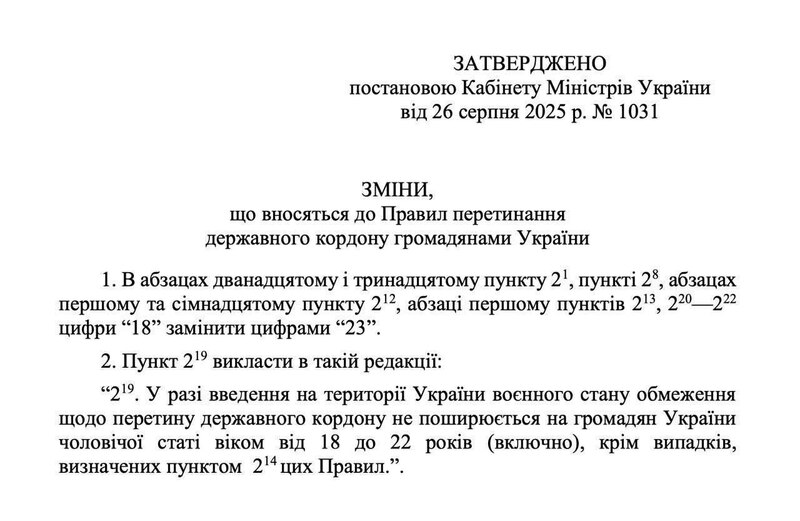
New rules for men aged 18–22
The Cabinet of Ministers of Ukraine adopted a resolution allowing men aged from 18 to 22 inclusive to travel abroad. The changes took effect on 27.08.2025. To cross the border, you must have a foreign passport and a military registration document (in paper or electronic form). At the same time, this provision does not apply to citizens who hold certain positions in state authorities, government bodies, or local self-government bodies. For them, departure is possible only in the case of an official business trip.
Reference to CMU Resolution No. 57
The main document regulating the procedure for leaving is the Resolution of the Cabinet of Ministers of Ukraine No. 57 of 27 January 1995. It is still in force today, but has undergone dozens of amendments, especially after the start of the full-scale war. The resolution sets out the list of categories of citizens who may leave Ukraine, as well as the requirements for confirming their status. It is this resolution that border guards refer to when making decisions, so anyone planning to leave should know its main provisions.
Who can leave Ukraine during the war
Women and children
Women, regardless of age, have the right to cross the border without any restrictions related to martial law. They only need to have a properly issued passport and other documents confirming the purpose of the trip. Children under 18 may travel with their parents or guardians, as well as accompanied by other persons if there is notarized consent. Since children belong to the most protected category, their ability to leave is maximally simplified; however, formalities still must be observed.
Men with grounds
The greatest number of questions concerns men, since most of them cannot leave the country. However, the law establishes a number of exceptions. Men with confirmed disability of any group, certified by an MSEC certificate, have the right to cross the border. Fathers of many children may also leave if they have three or more children under 18. Guardians of minors or persons with disabilities who require permanent care also belong to this category. Students studying at foreign educational institutions and holding a university certificate and a student visa are singled out separately. Permanent residents of other countries, who have the relevant note in their passports, may also leave Ukraine. Exceptions also apply to volunteers and drivers officially engaged in delivering humanitarian cargo, as well as journalists accredited to work abroad.
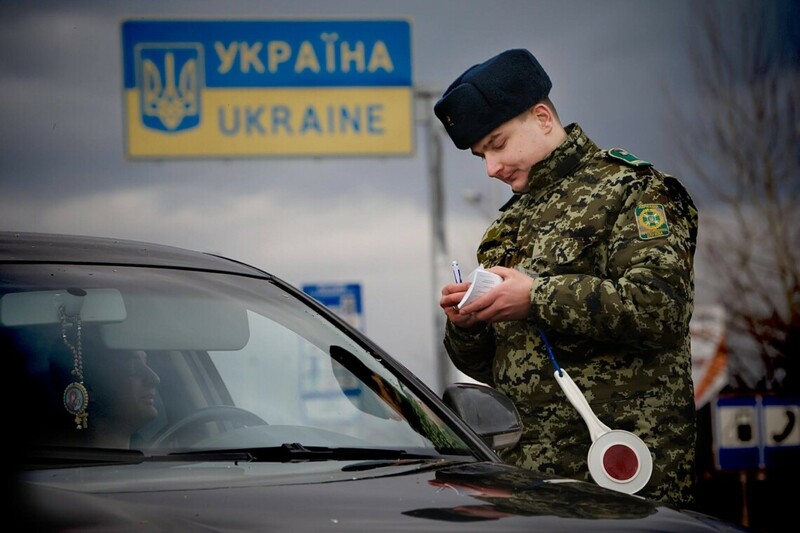
What documents are required to leave
Main documents (for all categories)
Regardless of status, every citizen must have a foreign passport or an ID card together with an internal passport. A document confirming the purpose of the trip is also mandatory: this may be an invitation, ticket booking, or a certificate of study or work. Without this package, even those entitled to leave may be refused.
Additional documents for each category
Special confirmations are added to the main documents. Fathers of many children must have the birth certificates of all children, as well as a certificate of family composition. Persons with disabilities must provide an MSEC certificate or an ID confirming their status. Students must show a certificate from the university, a study contract, and a student visa. Volunteers provide an official letter from the organization they cooperate with, as well as a permit from the military administration or the Ministry of Infrastructure. Journalists must present a press ID and accreditation documents.
Example document package
For example, a father of many children leaving the country must have a foreign passport, the birth certificates of three children, and a civil registry office certificate on family composition. This is sufficient to confirm his right to leave; however, border guards may additionally request documents confirming the children’s place of residence.
In each situation, the set of supporting documents may differ, so before departure it is worth clarifying which package will be sufficient specifically for you. If necessary, you can use legal services to avoid unforeseen refusals at the border.
Table: categories of citizens and required documents
| Category of citizens | Main documents | Additional documents |
| Women | Passport | — |
| Children | Birth certificate, passport (if any) | Notarized consent (if required) |
| Men with disabilities | Passport | MSEC certificate / ID |
| Fathers of many children | Passport | Children’s birth certificates |
| Students | Passport | University certificate, student visa |
| Volunteers | Passport | Letter from organization, permit from authorities |
| Journalists | Passport | Accreditation, press ID |
Departure of children and minors
Conditions for travel with both parents / one parent / third parties
When a child travels with both parents, the procedure is as simple as possible and no additional permits are required. If a minor travels with only one parent, the other must provide notarized consent, except in cases where there is a court decision, a document on deprivation of parental rights, or a death certificate. In situations where a child is accompanied by third parties, such as relatives or acquaintances, the notarized consent of both parents is required.
When notarized consent is required
Notarized consent is mandatory in almost all cases when a child travels without both parents. This protects against the unlawful removal of children and provides border guards with clear confirmation of the legitimacy of the trip. Even if a child travels only with the mother or father, it is better to issue consent in advance to avoid disputes directly at the checkpoint.
What documents to have with you
When a child leaves the country, a birth certificate or passport (if already issued) must be presented. If there is notarized consent, it must be shown to border guards in the original. If the child is under guardianship, documents confirming the guardian’s status must be provided.
Border-crossing procedure
How to prepare for the checkpoint
To avoid delays, citizens should check in advance that their documents are complete. It is recommended to have several copies of key certificates, as border guards sometimes ask to keep a copy for the archive. Arrival at the checkpoint should be planned in advance, since checks may take longer than in peacetime.
What border guards check
The border service first compares passport data with databases. Then the grounds for leaving are verified: children’s documents, disability certificates, student contracts, etc. The authenticity of certificates is examined very carefully, and in case of suspected forgery the border guard has the right to seize documents and notify law enforcement.
Typical reasons for refusal to cross
Refusals most often occur when people have not prepared a complete package of documents. Another common reason is suspicion of forged certificates or a mismatch between the declared purpose of the trip and reality. Sometimes citizens are unaware that they are on lists of persons prohibited from leaving due to mobilization requirements, so a database check becomes an unpleasant surprise.
Frequently asked questions (FAQ)
Is transit travel allowed?
Yes, Ukrainians have the right to travel in transit to other countries, but must provide documents confirming the onward route. For example, this may be an airline ticket from a Polish or Romanian airport to another country. Without such confirmations, border guards may view the trip as an attempt to evade mobilization.
How to appeal a refusal?
If a border guard refuses passage, the citizen has the right to receive a written decision indicating the grounds. This decision can be appealed to the State Border Guard Service or to an administrative court. The procedure may take some time, so it is advisable to have a lawyer who will help draft the complaint properly.
Are there simplifications for certain categories?
Certain categories do benefit from simplifications. Women and children undergo checks under a shortened procedure, and persons with disabilities are generally not required to provide additional documents other than their ID. Volunteers and journalists can also obtain permits under an expedited scheme.
Where to seek clarification?
The most official source of information is the State Border Guard Service of Ukraine, which has a hotline and an official website. Additionally, you can call the government hotline 1545 or contact local military administrations. Advisory centers can also be useful, where experts explain the latest legislative changes free of charge.
If you need detailed individual assistance, you can contact the Pravovyi Lider law firm. Our lawyers specialize in labor and military law issues, help prepare documents for crossing the border, and provide professional consultations taking into account current legislative changes.

Leave a request for consultation and our specialist will contact you soon!
Leave a request and our specialist will contact you soon!




Fill out the form or contact us in any way convenient for you
Choose the nearest office to you and receive consultations in a convenient format for you